This year I stumbled upon a spectacularly good story about the often-overlooked song that concludes the White Album, a record that John Lennon thought included some of his best work with the Beatles. That song is “Good Night.” You may recall the lush orchestration, the soothing, and Ringo — not John — singing with aContinue reading “John Lennon’s Lullaby”
Category Archives: culture
Nature’s Revenge: T.C. Boyle on “Blue Skies”
Here’s this quarter’s book feature for Ojai Quarterly, an allusive interview with the delightful-if-doomy T.C. Boyle. (Think that’s part of Boyle’s brilliance: he embeds an awareness of the end of his characters’ lives into the storytelling — so often we see characters up against their uniquely-driven fates. Worse, they know it — which makes usContinue reading “Nature’s Revenge: T.C. Boyle on “Blue Skies””
The Eternal Return of the Grateful Dead
Here’s a story I wrote for the Ventura County Reporter on the Skull and Roses festival coming up next week at the Ventura County Fairgrounds. Let me post the published version (below) and add some color, for those who like a little extra. From the VCR: At the end of 1995 the much beloved jamContinue reading “The Eternal Return of the Grateful Dead”
Orwell and the earth
When [the critic] Woodcock compared Orwell to Antaeus, who draws his strength from the earth, he might have also meant that he drew his intellectual strength from the specific and the tangible and from firsthand experience. It set him at odds with an era in which ideologies led many astray, not least as doctrines defendingContinue reading “Orwell and the earth”
“Radical Distraction” by Saul Bellow
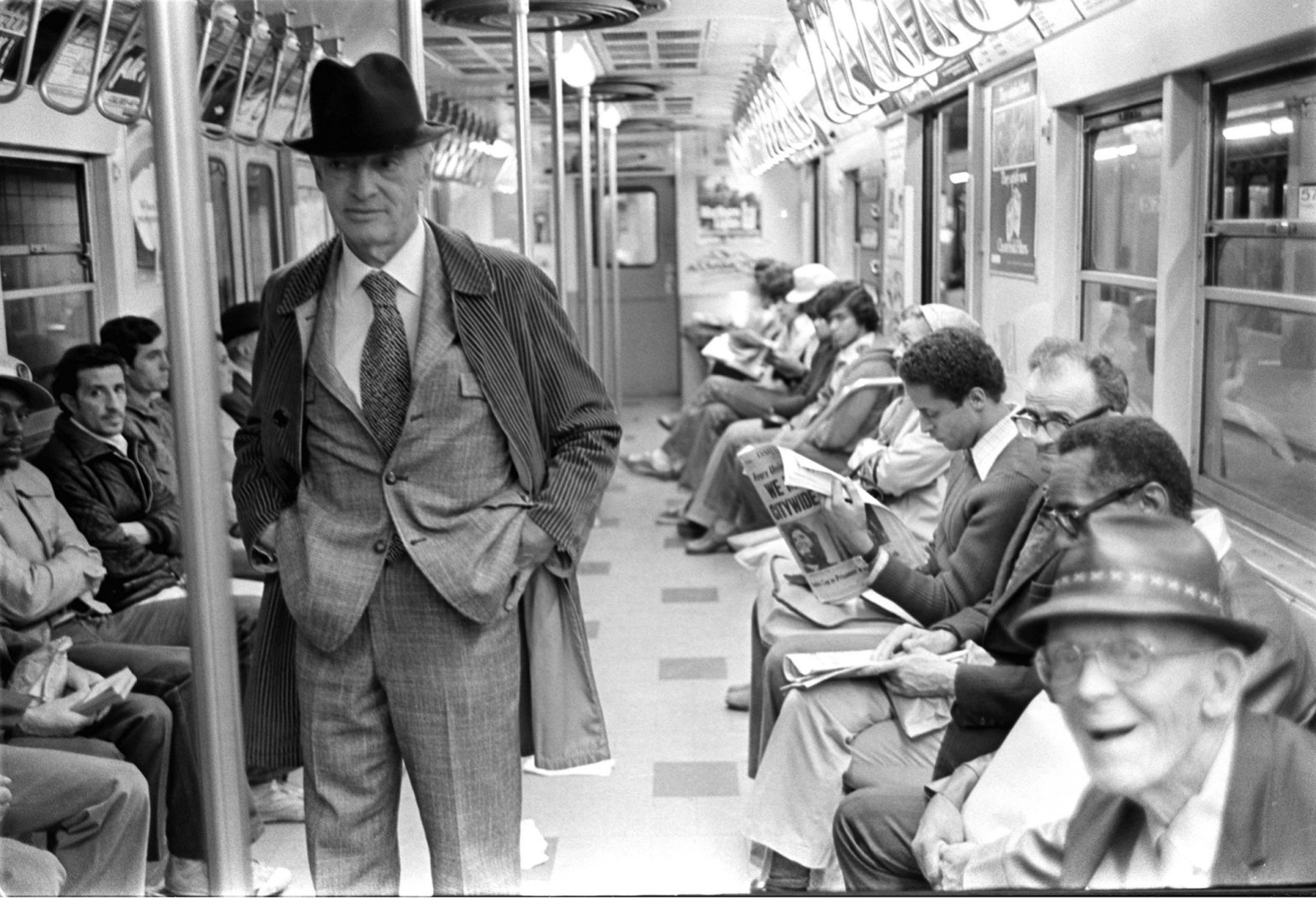
From Saul Bellow, in an essay from 1975, published in Critical Inquiry: “We are in a state of radical distraction,” he writes in “A World Too Much with Us,” an essay for the journal Critical Inquiry, in 1975, the same year Humboldt’s Gift appears. “I don’t see how we can be blind to the politicalContinue reading ““Radical Distraction” by Saul Bellow”
How Yoko turned on John’s imagination
A charming piece via the BBC, drawn from a new book, reveals how Yoko’s idealism turned on John’s imagination and — pretty directly it seems — inspired the creation of his most iconic song: Imagine. Specifically, Yoko’s book Grapefruit. Lennon said: “There’s a lot of pieces in it saying like ‘imagine this’ or ‘imagine that’,”Continue reading “How Yoko turned on John’s imagination”
What’s wrong with reality? (Red Desert)
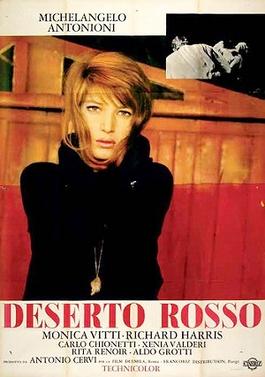
It’s not a coincidence, surely, that Monica Vitti in the Italian movie poster for Michelangelo Antonioni’s classic Red Desert, from l964, assumes the position of the tormented man on the bridge in The Scream by Edvard Munch. Most of Antonioni’s movies seem to begin with a beautiful woman, usually Monica Vitti, rushing from the social sceneContinue reading “What’s wrong with reality? (Red Desert)”
The Not-Quite-Sober John Muir (review)
Here’s a book review/essay I wrote a while back for a journal called Wild Earth, that I repost here on A Change in the Wind because I want it to be Google-able. Below the fold I’ll put it the remainder of the review in a standard font. For Muir admirers, please let me say itContinue reading “The Not-Quite-Sober John Muir (review)”
Want success as a writer? Get rejected.
So argues Kim Liao, persuasively, in Lit Hub. She said she managed 43 rejections last year — a personal best. Last year, I got rejected 43 times by literary magazines, residencies, and fellowships—my best record since I started shooting for getting 100 rejections per year. It’s harder than it sounds, but also more gratifying. In late 2011, aContinue reading “Want success as a writer? Get rejected.”
The Lost Brother — Latterly strikes again
To encourage interest and subscription, Latterly magazine, an on-line journal of stories from around the world, run by the wizardly editor Ben Wolford, released as a “single” a marvelously rich and well-written, well-edited, and well-composed story about life north of the Arctic Circle, on an island off the coast of Iceland. It’s called The LostContinue reading “The Lost Brother — Latterly strikes again”
 Kit Stolz