If you wish to obtain a permit to visit the Yosemite Wilderness, to hike perhaps on the PCT, one goes to the Wilderness Permit office labeled as such, off the main road (not the stone building near the campgrounds) and stands in line and picks up one’s reserved permit, or hopes that someone else does not, and a permit becomes available. I was told this year that fights have broke out in the line to get permits.
If one reaches the desk, one speaks to a polite but stern young park ranger, who asks a number of good questions. Do you have a bear canister, and if so, what type? (Not all bear canisters have been approved for use by the park service.) Where will you camp the first night? (PCT hikers heading north from Tuolumne Meadows will likely be commanded to stay at the Glen Aulin High Sierra Camp, a very beautiful but crowded place for backpackers.)
And will you promise not to camp within 100 feet of water?
The park service forces people who want a permit to walk out ride in these areas to swear not to camp next to water. To tick off a box pledging such and sign.
Even though most camps and most fire rings — which are implicitly sanctioned by the park service, and destroyed if they are too numerous or scarring — are found within fifty feet of water in this section of the trail.
Perhaps the park service has found this method of dealing with the public is most effective, but to this hiker it’s unfair and frustrating. It’s a brutal refusal to see the way people live in nature, and have always lived in nature. It’s like telling lovers they mustn’t kiss, for similar and similarly misguided reasons — fear of diseases.
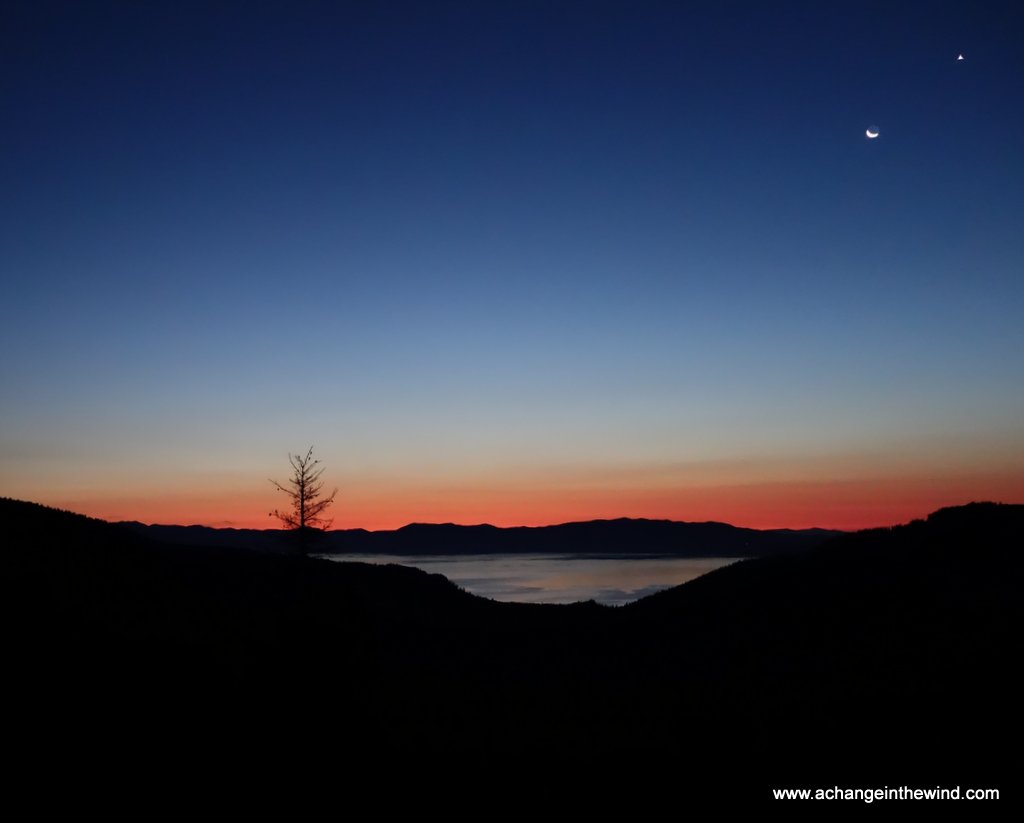
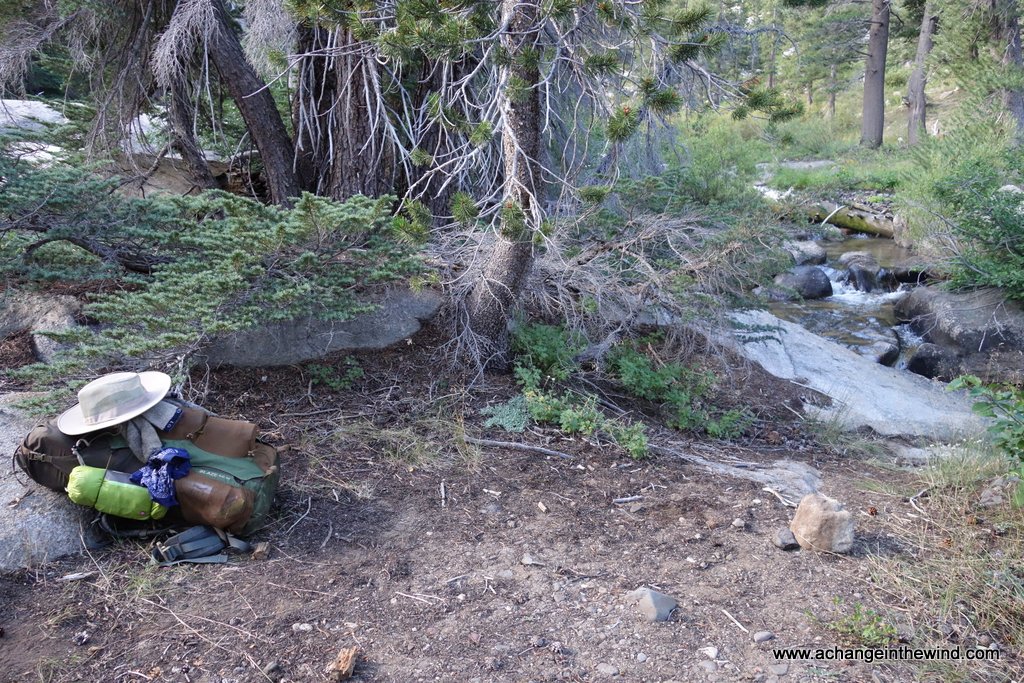
For example: What hiker/camper could not be drawn to this perfect camp at the aforementioned mile 1024?
No one else is around. It’s not crowded, not polluted, and you will not harm this water in any way, shape, or form with your existence. Further, you have a right to be in this water, to drink it (safely, in my experience) and bathe in it, and live with it.
Now tell me: Who would not camp here?
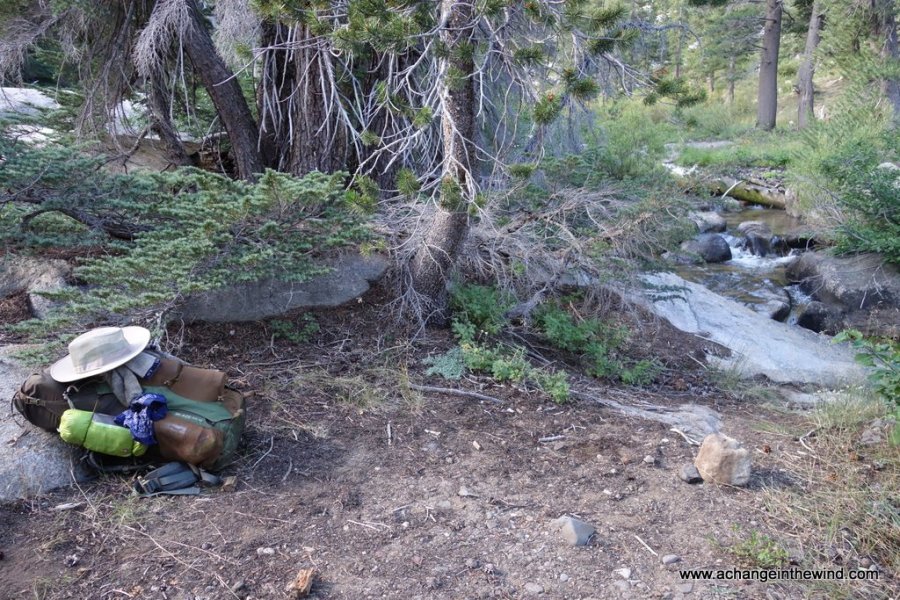
But wait! There’s more. The vast majority of campsites and fire rings on this trail are like this: right next to water.
Continue reading “Why does the park service make wilderness visitors lie about camping next to water?”